Tomato 3DClipart Comic Style Sublimation Graphics and Illustrations Review
In the crowded landscape of digital marketing, visual consistency is not just an aesthetic choice; it is a strategic necessity. As a brand designer who has spent years helping small businesses and content creators build recognizable identities, I often encounter assets that promise versatility but deliver chaos. Recently, I evaluated a specific graphic design asset titled Tomato 3DClipart Comic Style Sublimation. This review explores how this particular illustration fits into real-world marketing workflows, from social media campaigns to packaging design.
First Impressions: Mood and Audience Perception
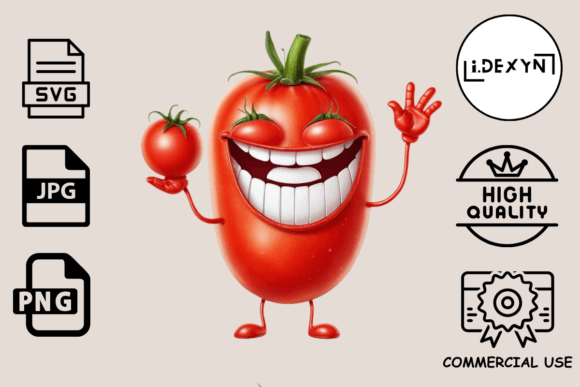
The immediate emotional tone of Tomato 3DClipart Comic Style Sublimation is playful, vibrant, and approachable. Unlike flat vector art that can sometimes feel sterile or corporate, the 3D comic style adds depth and personality. It creates a mood that feels casual yet polished, which is crucial for brands trying to humanize their voice. For audience perception, this asset signals creativity and fun without sacrificing professionalism. It works exceptionally well for lifestyle content, handmade products, and food-related branding where warmth and appetite appeal are key.
When I first placed this asset on a mockup for a seasonal product launch, it immediately drew the eye. The comic-style shading provides a modern design edge that stands out against the minimalist trends dominating platforms like Instagram and Pinterest. It does not look messy; rather, it looks intentional. This is vital for maintaining audience trust, as cluttered visuals often lead to quick scroll-aways. The asset brings a sense of energy that can transform a static post into an engaging visual story.
Real-World Application: A Small Business Launch Scenario
To understand the practical value of this design bundle, imagine a small business owner launching a new line of artisanal tomato sauces or perhaps a summer-themed beverage. They need a cohesive set of marketing visuals quickly. Using Tomato 3DClipart Comic Style Sublimation, they can create a unified campaign across multiple touchpoints.
For a digital campaign, this asset serves as a perfect hero graphic. Its bold colors and 3D form make it ideal for Facebook ads and digital ads where capturing attention in split seconds is necessary. The comic style adds a layer of narrative, suggesting that the product is fun and enjoyable. In email banners, it can act as a decorative brand element that guides the user’s eye toward the call-to-action without overwhelming the text.
Furthermore, for content marketing efforts, this illustration supports blog graphics and editorial design. A blogger writing about summer recipes could use this asset as a featured image header. It breaks up the monotony of text-heavy articles and makes the content more shareable. When used in lead magnets or media kits, it elevates the perceived value of the content, making it look like a premium visual experience.
Supporting Marketing Goals Through Visual Hierarchy
A strong graphic design asset must do more than look good; it must support clear visual hierarchy. Tomato 3DClipart Comic Style Sublimation achieves this by providing a focal point that anchors other design elements. In logo design or brand identity projects, such an illustration can be adapted to become a memorable icon. However, its primary strength lies in supporting broader brand communication.
- Stronger First Impression: The 3D effect gives the asset weight and presence, ensuring it catches the viewer’s attention instantly.
- Clearer Visual Hierarchy: Its distinct style allows it to stand apart from typography, creating a balanced layout where both image and text can shine.
- Better Product Presentation: Whether for product labels or packaging design, the asset adds a premium feel that suggests quality ingredients or craftsmanship.
- Improved Audience Trust: Consistent use of high-quality illustrations like this one reinforces professional branding, which builds credibility with potential customers.
This asset also aids in stronger recognition. By using the same comic-style tomato across various platforms—from Pinterest pins to merchandise stickers—brands create a visual shorthand that audiences begin to associate with their identity. This repetition is key to emotional connection and long-term brand recall.
Optimal Use Cases for Creative Design
While versatile, some applications yield better results than others. Tomato 3DClipart Comic Style Sublimation excels in contexts where playfulness is desired. It is highly effective for social media graphics, particularly Instagram posts and stories where vertical space allows the 3D details to breathe. It is also excellent for printable designs, such as event flyers, posters, and promotional banners for local markets or pop-up shops.
For digital sellers and creative entrepreneurs, this PNG design and SVG design combination offers flexibility. You can use the SVG version for large-format prints or cut files for physical merchandise like t-shirts and tote bags. The PNG design ensures compatibility with most design software, allowing for easy integration into Canva templates or Adobe Illustrator projects. It is particularly suited for branded templates that need a splash of color and personality.
Additionally, it works well as a decorative brand element in web design. Website headers and sidebars can benefit from the asset’s ability to add character without requiring complex coding. It helps bridge the gap between functional web design and artistic expression.
Strategic Limitations and Careful Placement
No single asset is a universal solution. There are scenarios where Tomato 3DClipart Comic Style Sublimation should be used carefully. It may not align with formal corporate branding, where serious tones and conservative aesthetics are preferred. Similarly, dense information layouts or low-contrast backgrounds might cause the asset to get lost or appear visually noisy.
Small mobile graphics require scrutiny. While the 3D style is detailed, reducing it too much can blur the edges and lose impact. Always preview the asset on mobile screens to ensure readability and clarity. Furthermore, avoid placing it in overly minimal brands where the stark simplicity might clash with the comic-style volume. If the main message is already text-heavy, adding this illustration could compete for attention rather than support it.
Practical Brand Designer Notes
Before integrating this commercial design into your workflow, consider these technical checks. Test the asset with your existing brand color palette to ensure harmony. Sometimes, adjusting the saturation or hue can help it blend seamlessly with your identity. Check black and white usage if you plan to use it for stamps or monochrome print materials.
Place the asset inside real campaign mockups to gauge its scale and impact. Compare it against competitor visuals to see how it differentiates your brand. Typography pairing is also critical; this asset pairs well with sans serif fonts for a clean contrast, script fonts for a handwritten touch, and display fonts for headlines. Avoid pairing it with overly ornate serif fonts that might create visual competition.
Finally, confirm commercial licensing before using it in paid campaigns, client work, or business branding. Understanding the terms ensures you can leverage the full potential of this design asset without legal hurdles. By following these guidelines, you can maximize the effectiveness of Tomato 3DClipart Comic Style Sublimation in your content marketing and visual strategy.